Top software coders bad mental habits :-)

New year is time for self-examination; one of the most frustrating things for a coder is writing code with bugs and bugs are almost always directly related to bad mental habits imho. This is not a complete list of any kind, it is a set of well known and widespread ones that you for sure have already encountered in your coder life. I’m writing them down just as a reminder for myself :

  1. The “Let’s do it this way for now (I know this cannot be the final way of doing it), because I don’t want to stop 5 minutes and think about it” attitude. This is the worst of all bad habits in my opinion. It is this attitude that generates the most of production bugs because the only moment you had to focus on that specific issue you decided to skip over it, for the sake of continuity in your mental path (which is a good thing by itself but bad if not derogable ). That moment will never come again, that “preliminary” code will go strait to production and that issue will never ever be taken into account again until it generates a bug.
  2. Using the “quick and dirty” way to do things even when there is no real need for that type of approach. This is related to the fact that we are almost always pushed to deliver fast and after time the “quick and dirty” approach becomes the standard one, always, regardless of requirements.
  3. Unreadable code : this does not necessarily generate bugs but makes it difficult to fix them.It is caused by :
    1. coder EGO : “nobody will ever be able to understand my code unless spending an hour over 10 lines”. I will be the only able to maintain it.
    2. “This way is faster, (probably) ” (note probably, because nobody is ever measuring code speed). Modern compilers/cpus do things that we can’t imagine in terms of optimization, but “I can do better”.
  4. Comment out unused code, or worse, gate it with a feature flag. Code that has no purpose is a major source of distraction and confusion. Today’s version control systems make it easy to revert any changes; there’s no reason not to remove dead code and other bloat.
  5. Over engineering code or overdoing features : this one is so big that needs a separate post to handle it but we might try to summarize it with
    1. more code, more bugs
    2. more code, more tests to make, more time
  6. “I’m gonna do this in 10 minutes” attitude
Technology how it should be

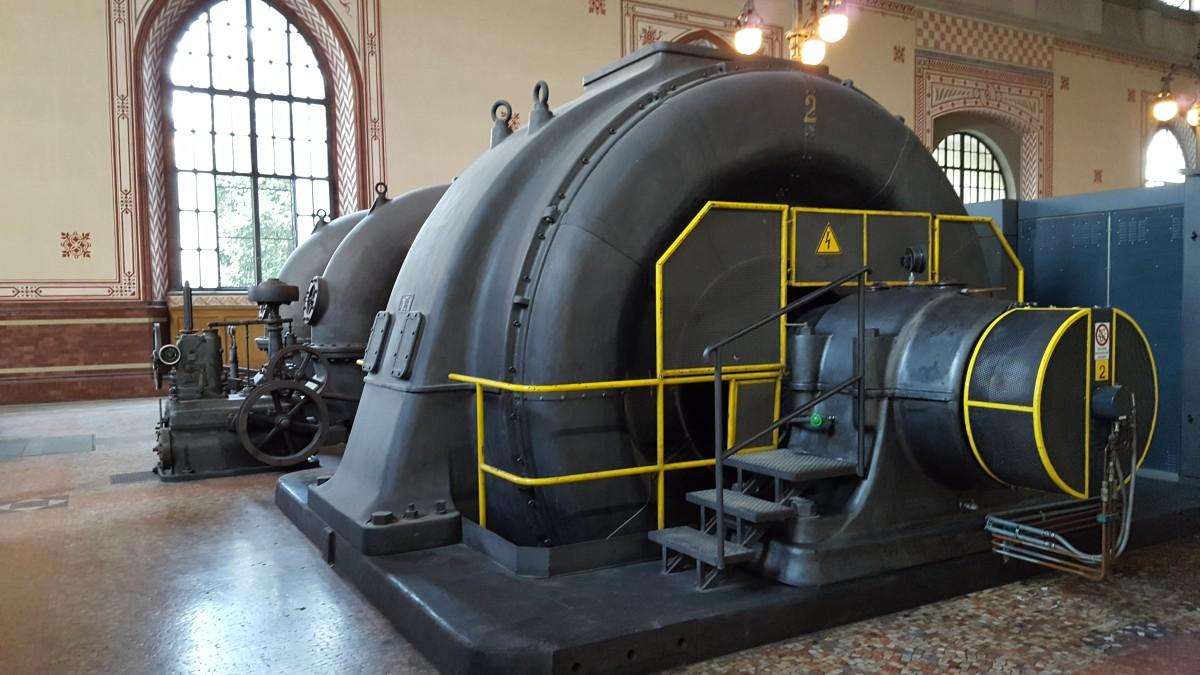
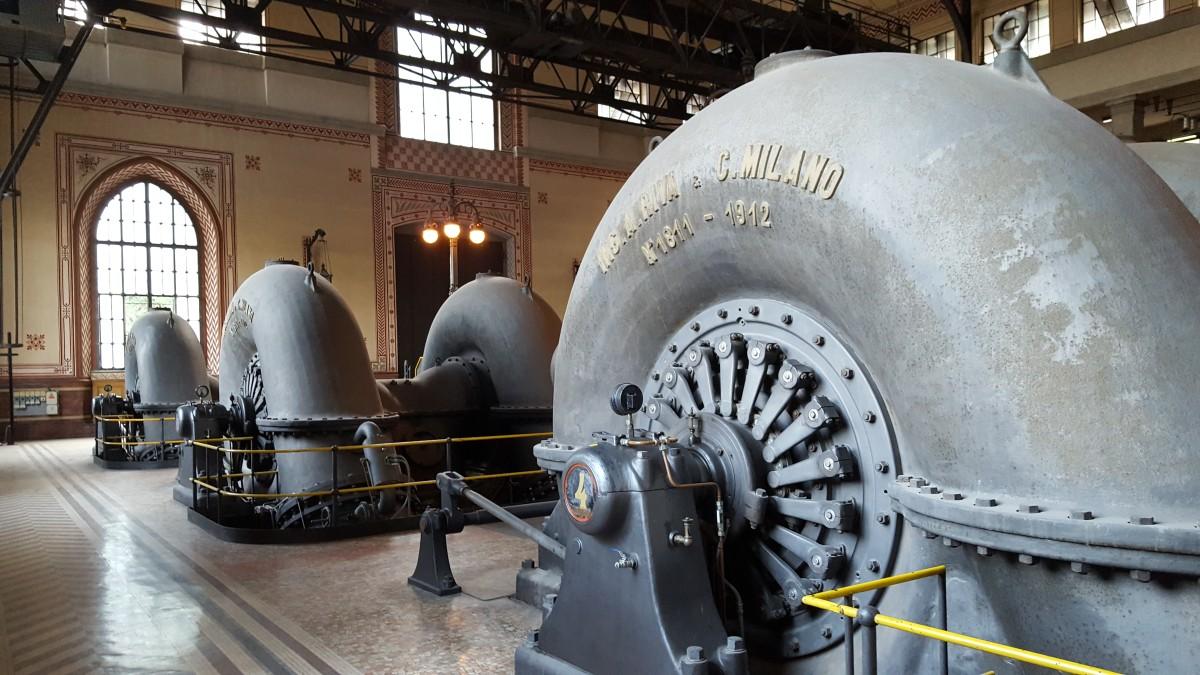
This weekend I had a chance to visit Esterle Hydroelectric power plant, one of the power plants I pass by riding near the Adda river with my MTB. This plant was finished in 1914 to make electricity for Milano cable cars. Francis turbines, Brown-Boveri Alternators for a total of 30 MW unattended production. Yes unattended because nobody works at the plant anymore : everyting is controlled by Sondrio control room. Plant needed a major maintenance in the 90s for replacing the turbines and after that nothing else, all regulations are done from remote.


This is 1914 technology and it is still working today after more than 100 years (100 years I repeat this ..), a gold mine for the owners (www.edison.it) which are selling to EDF (the national french electricity provider).

The location is beautifull (could be used for Steampunk happenings) and the building is in ‘eclettico lombardo’ style.

Code performance myths

One if my main tasks from 2015 on has been optimizing performance on various languages api (mainly C/C++). This post tries to recap best practices in this area.

For those like me who work in IT since the z80 let me say that cpu have changed, a lot; variability in computing time in modern computer architectures is just unavoidable; while we can guarantee the results of a computation we cannot guarantee how fast this computation will be : 

“Computer can reproduce anwsers, not performance” : Bryce Adelstein Lellback, https://youtu.be/zWxSZcpeS8Q?t=6m45s

Reasons for variance in computation time can be recap in :

  • Hardware jitter : instruction pipelines, cpu frequency scaling and power management, shared caches and many other things
  • OS activities : a huge list of things the kernel can do to screw up your benchmark performance
  • Observer effect : every time we instruments code to measure performance we introduce variance.

Also warming up the cpu seems to have become necessary to get meaningful results. Running hot instead of cold on a single piece of code is well described here https://youtu.be/zWxSZcpeS8Q?t=18m51s

You have to measure. There is no other way; things that by your experience might look faster if done in a certain way reveal to be slower when measured so put away all your preconceptions and prepare to A/B test your code for performance. Here’s are some hints, not a complete list at all :

1) make sure your code is doing what you expect. Profile your code compiled without the optimizer and check that your are not calling unwanted code (valgrind/kcachegrind for profiling)

2) measure/time your code : I use linux/c this code for duration, gnu scientific library (libgsl) for related math. Check out chrono for c++ and/or google benchmark for a complete framework.

3) as mentioned above warm up the cpu with your code before measuring by running your code a large number of times. Measure the execution time average of a large number of runs. Ideally your measure is good when results have “normal” distribution. Narrow the code you measure until you get normal distributed results.